Home › Services › Inclusive communication
Developing skills · tailored · practising with actors
Inclusive communication, having the right conversation, especially when things get uncomfortable.
Most teams think they communicate well. Until things get tense. Until someone feels excluded. Until a feedback conversation escalates. Our trainings help you stay connected, especially then.
Sound familiar?
Challenges we help with
Communicating well in a diverse team isn't a given. Three situations we often hear in these calls.
A feedback conversation that escalates
You mean it constructively. The other person feels attacked. What went wrong?
A comment someone loses sleep over later
In the moment no one said anything. It only comes up days later, or not at all.
A colleague who withdraws
Less input in meetings, less visible in projects. And you have no idea why.
The cost of poor communication is unevenly distributed. People from marginalised groups more often receive ambiguous feedback, are interrupted more often, and hear constructive challenge less often, which limits their development over the long run.
Approach
How we work
What fits depends on what's going on. So we always start with a first conversation, optionally followed by short research to determine the right intervention. Sometimes a training isn't the right answer, team coaching may fit better, or processes and policy may need rethinking.
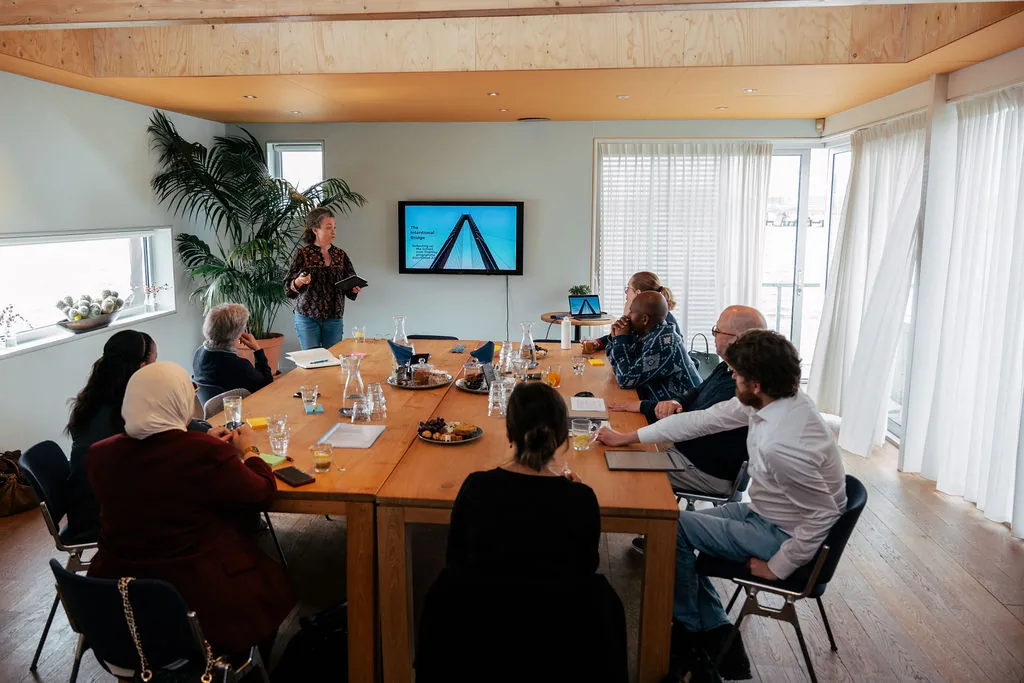
Always: the focus is on skills, not theory. So participants practise a lot, often with actors or film scenes from real life.

Services
Trainings and workshops we run regularly
Below are six examples of trainings and workshops we run regularly.
Not sure which format fits? We will pick one together, in half an hour.
Schedule a Teams callScene from a training
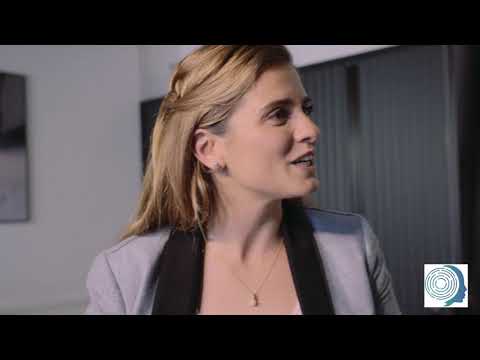
'Working part-time, a difficult conversation'
How do you have a difficult conversation when interests collide? How do you find each other when you hold different values? In this two-part scene with actors, we explore a recognisable case, an example of how we work.
Part 1
Part 2

What you'll learn
Ten skills, three layers
Communicating well in a diverse team doesn't start with the other person, it starts with you. Then comes the conversation itself. And only then can you do something for the team.
We design trainings tailored to the learning needs of the participants.
We focus on ten essential skills. These contribute to inclusive teams.
With yourself
What's going on inside you
Before you say or do anything, plenty is already happening internally. That's where it starts.
- You know your biases, assumptions and blind spotsand recognise where they shape your perception
- You regulate your emotions, stress and impact on othersbecause it affects your conversations and relationships
- You're vulnerable and admit mistakesas the source, as a witness and as a manager
In conversation
How you stay connected
The skills that make a difference at the moment things get uncomfortable.
- You listen with empathy and ask open questionssuspending judgement before you respond
- You give and receive feedbackincluding in intercultural contexts, without sidestepping criticism
- You set boundariesclearly, without shortchanging the other person
- You communicate clearly and transparentlywhat you expect, what you need, and why
- You communicate with cultural sensitivityin language, tone and pace
In the team
What you do for others
Inclusion doesn't just happen, it happens when people actively stand up for it.
- You're an ally to colleaguesyou see who's having a harder time and lean inmore on this in Allyship
- You intervene in microaggressions and inappropriate behaviouras witness or as sourceset out in our expertise social safety: stop inappropriate behaviour
Investment
What it costs
Workshop (3 hours)
From €2,000 per groupExcl. VAT and venue · excl. actor
Blindspot game
On request separate licenceThe price scales with the number of players
Every amount includes an intake with the client, the session itself, a hand-out for all participants and a short debrief afterwards. All amounts exclude VAT and venue. Our terms and conditions also cover cancellation.
What you end up paying depends on the format, the preparation, the number of sessions and whether we work with actors.
Inspiration sessions, multi-day programmes and tailored work are quoted per programme.
Please note: if a specific report is on your desk right now, training is rarely the first step. Call us anyway: we will think along about what does help, even if that is something we do not provide ourselves.
FAQ
Frequently asked questions
Isn't this just "diversity theatre"?
No. Our trainings are skills trainings, not ideological sessions. You practise with scenarios and actors; we measure every training with anonymous evaluations.
What sets you apart from other communication trainers?
We focus on skills, not theory. We work tailored to your team and practise extensively with actors. Our microaggression training was developed with a PhD specialist; our Blindspot game was co-developed with Frisse Blikken.
Which training fits us?
It depends on what's going on. We start with a 30-minute conversation to choose the right variant. Microaggression and allyship often go together; intercultural communication is stronger for international teams.
How long does a training take?
Workshops from 3 hours, programmes up to several days. Blindspot can be done in 90 minutes.
Do you also work in English?
Yes. NL and EN. The hand-out is bilingual.
Is your question not here? Just ask it.
Ask a questionGet started
Half an hour, and you'll know which conversations move your team forward.
In a confidential 30-minute call you’ll get answers to three questions: can we help you, what approach we’d suggest, and roughly what that would cost.

Rutger Legeland
Co-founder of Human Centric
“Call me when you’re not sure whether you need training, coaching or something else. The conversation usually saves a lot of guesswork.”
Prefer direct contact? Ask a question →
Not ready for a call yet? Download the hand-out 'Successful leadership' (NL/EN) or dive into our approach.


